Thinking About a Major Remodel in 2026? Start With a Clear Plan.
Homeowners across St. Louis are making moves. After years of rising material costs, supply chain headaches, and contractor availability issues, 2026 is shaping up as a year where preparation and the right team make all the difference between a renovation that flows smoothly and one that drags on for months.
The good news: the trends driving renovation decisions right now aren’t just about style. They’re about building smarter — choosing materials that last, designing spaces that work harder, and working with integrated teams that catch problems before they become expensive surprises.
Here’s what’s shaping 2026 renovations and what it means for your next project.
Wellness and Comfort: Designing Rooms That Actually Help You Recover
The biggest shift in renovation thinking right now isn’t about countertops or cabinet styles — it’s about how a home makes you feel.
Spa-inspired bathrooms are in high demand. Deep soaking tubs, curbless showers with bench seating, natural stone-look tile, soft ambient lighting, and proper ventilation are no longer luxury extras. They’re becoming the baseline expectation for a bathroom that genuinely serves the people using it. A well-designed bath should feel like a reset — not just a functional room you pass through.
Kitchens are following the same logic. Homeowners are asking for better ventilation systems, filtered water lines, surfaces that don’t off-gas chemicals, and layouts that make daily cooking feel less chaotic and more enjoyable. The goal isn’t just aesthetics — it’s a kitchen that supports how your family actually lives.
For St. Louis homeowners, this shift matters at the planning stage. Wellness features like radiant floor heating, non-toxic paint finishes, or humidity-controlled ventilation need to be designed into the project from day one — not added as afterthoughts once walls are back up. That’s exactly where working with an integrated design-build team pays off, because the design and construction sides are solving these details together before the first tool is picked up. If you want to see how that coordination works in practice, our breakdown of how design-build contractors save time and money explains it step by step.
Durable, Low-Maintenance Materials: Buy Once, Live With It Longer
The days of choosing materials for how they look in a showroom are giving way to choosing materials for how they hold up three years after installation.
Engineered hardwood floors are outpacing solid hardwood in many St. Louis remodels because they resist humidity swings — a real consideration given Missouri’s climate. Stone-look porcelain tile is gaining ground over natural stone for the same reason: it delivers the visual effect without the maintenance commitment. Quartz countertops continue to dominate kitchens and baths because they resist scratches, staining, and bacteria without sealing.
The broader principle: if you’re spending real money on a renovation, protect that investment with materials that were designed for long-term performance, not just first impressions. Matte cabinet finishes hide fingerprints and daily wear far better than high-gloss surfaces. Integrated drawer systems with soft-close hardware hold up better than basic hinges. These aren’t expensive upgrades — they’re decisions that keep your renovated space looking and functioning well years from now.
This ties directly into the 2026 interior design trends we’ve been tracking — warm neutrals, organic textures, and natural materials that age gracefully rather than looking dated in five years.
Energy Efficiency and Smart Upgrades: Comfort First, Savings Second
You don’t need to be passionate about sustainability to benefit from energy-efficient upgrades. The practical case is simple: better insulation, higher-performance windows, and efficient HVAC systems make your home more comfortable to live in — and they lower your utility bills while doing it.
In 2026, the most popular upgrades aren’t dramatic solar installations. They’re the unglamorous but highly effective updates: air-sealing attic bypasses, upgrading to a tankless water heater, adding spray foam to a rim joist, or replacing aging windows with properly insulated units. Pella windows, for example, not only reduce energy bills but can also qualify for federal tax credits — a meaningful financial benefit that most homeowners don’t know to ask about until it’s mentioned.
Smart home technology is maturing past the novelty stage. Programmable thermostats, motion-sensor lighting, and app-controlled HVAC aren’t just convenient — they’re genuinely useful for households trying to manage energy use without thinking about it constantly. When these systems are planned into a renovation from the design phase, they’re installed cleanly and function as intended. When they’re retrofitted after the fact, the result is often messier and more expensive.
If your renovation includes replacing a fireplace or adding one, that’s another area where the right choice delivers both comfort and efficiency. Updated fireplace installations can dramatically change both the aesthetics and the heat performance of a living space — and it’s a project that benefits from early planning with your design team.
Open and Flexible Spaces: Designing for How You Actually Live
The pandemic made it obvious that homes need to do more than they were designed for. Work, school, exercise, cooking, entertaining, and recovery all happen under the same roof now — and layouts from twenty years ago weren’t built with that in mind.
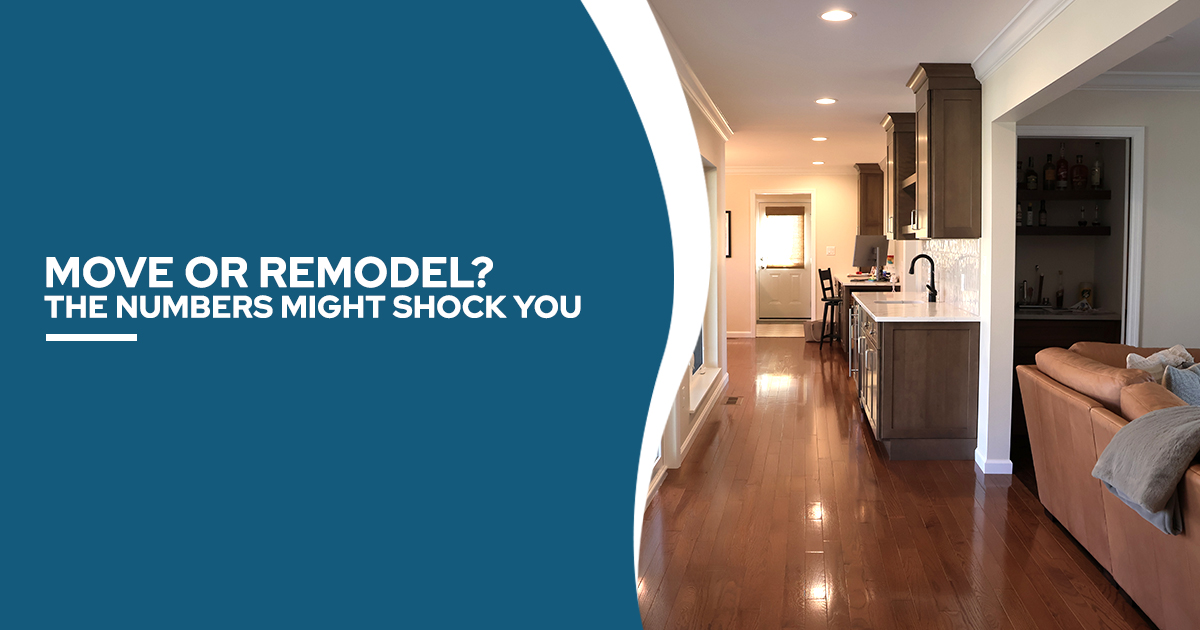
In 2026, the most requested layout change in St. Louis remodels is still opening the kitchen to adjacent living or dining areas. It makes the home feel larger, keeps families connected, and creates a flexible hub that serves multiple functions throughout the day. A kitchen island that doubles as a homework station, a breakfast bar, and a prep area is worth far more than a decorative feature — it’s working square footage.
Multi-use rooms are following the same logic. A guest bedroom that functions as a home office with proper lighting and built-in storage is more valuable than a room that sits unused most of the year. A finished basement with a flexible floor plan can serve as a gym, a playroom, a second living room, or a combination of all three depending on the season and the family’s stage of life.
The key to getting flexible spaces right is planning them properly before demolition starts. Decisions about where electrical outlets land, how natural light enters the room, what wall storage looks like, and where plumbing runs all need to happen at the design stage — not mid-construction. That’s one reason why kitchens and baths remain the top renovation investments for maximum value — they’re the rooms where proper early planning creates the most measurable difference in function and finish quality.
The Integrated Design-Build Approach: Why It Matters More in 2026
Here’s the shift that’s changing how successful renovations get done.
The traditional model — hire a designer, finalize plans, then find a builder to bid on them — creates a handoff problem. The designer doesn’t always know what’s practical or affordable to build. The builder doesn’t always understand the design intent. When those two parties discover their disconnect, it usually happens mid-construction, which is the worst possible time to resolve it.
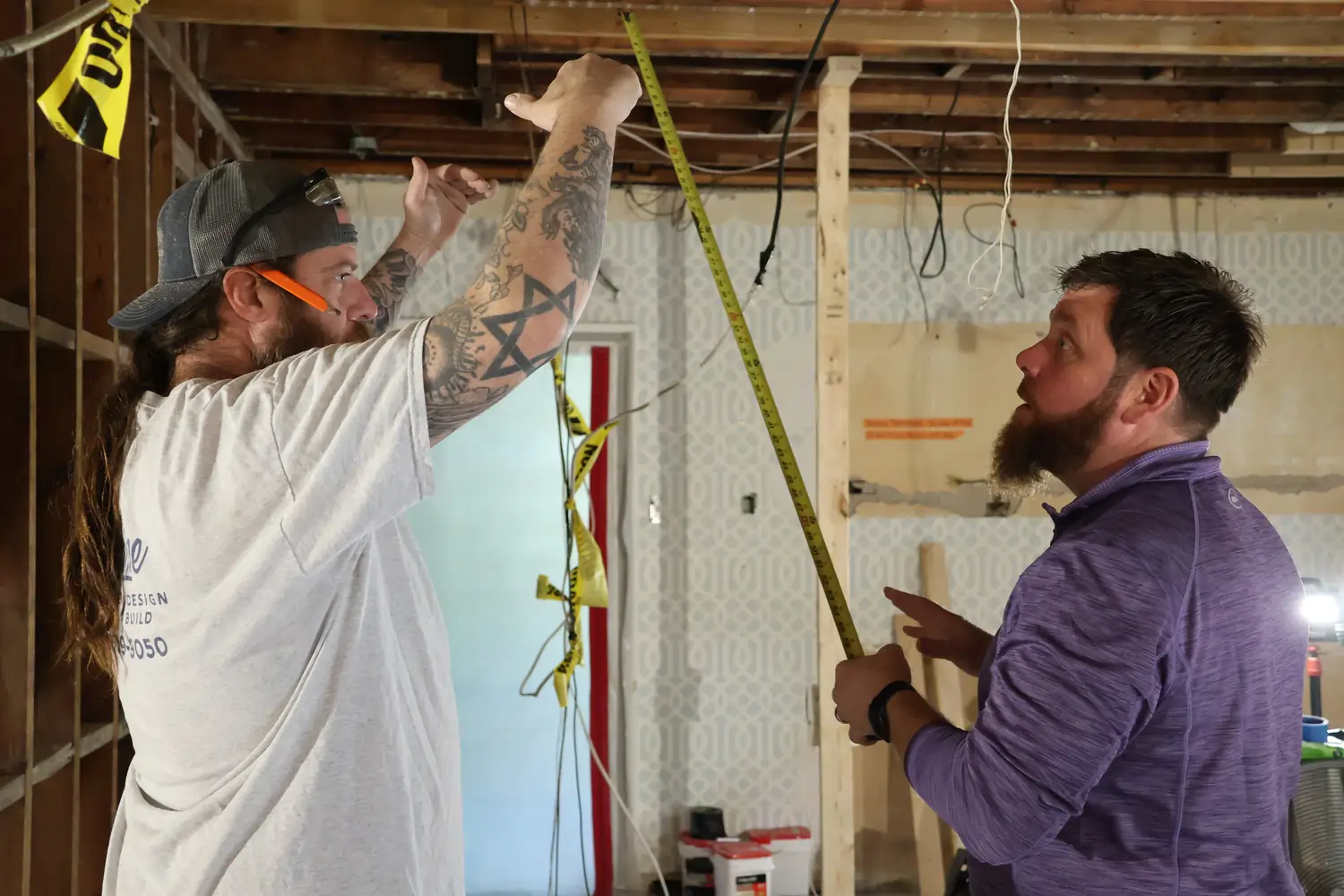
An integrated design-build team eliminates that handoff. Designers and builders work together from the first conversation — which means the spa shower you want is being planned with the plumbing layout in mind before anyone touches the walls. The custom cabinet design gets a cost reality check before it’s finalized. The structural implication of removing a wall gets addressed in the design meeting, not as a surprise change order three weeks into demolition.
The result for homeowners is fewer delays, fewer budget surprises, and a renovation that actually matches what was planned. You’re also dealing with one team and one contract — not multiple vendors pointing fingers when something goes wrong.
There’s a reason this model is growing. Five common myths about design-build construction — including the idea that it costs more or limits your control — don’t hold up when you look at how projects actually go. The data consistently shows design-build projects finish faster and stay closer to budget than traditionally delivered projects of similar scope.
Technology That Helps You See It Before It’s Built
One of the most practical tools in modern renovation is 3D visualization. Before a single wall comes down, you can walk through a digital model of your finished space, adjust cabinet heights, change countertop colors, move a doorway, or try a different tile layout — all at zero additional cost.
This isn’t a luxury feature. It’s a decision-making tool that prevents expensive real-world mistakes. The homeowner who realizes mid-walkthrough that the kitchen island is six inches too wide saves weeks of rework. The one who discovers in a virtual model that the master bath feels cramped without an additional window can add it to the plan before framing is touched.
At Agape Construction, 3D walkthroughs are part of how we work — because seeing the finished space before we build it keeps everyone aligned and eliminates the most common source of mid-project conflicts: the gap between what a client imagined and what a contractor built.
Two Real Scenarios That Show How This Works
- Maria’s Accessible Bath Remodel. Maria wanted to update the bathroom for her aging parents — a space that needed to be safe, beautiful, and functional without feeling clinical. Working with our design-build team from day one, she got a curbless shower with a built-in bench, grab bars integrated into the tile design rather than bolted on as afterthoughts, a handheld showerhead on an adjustable bar, and durable porcelain tile in a warm natural pattern. In the 3D walkthrough, she adjusted the showerhead height and moved a towel bar before a single tile was ordered. When construction finished, the result was exactly what she’d seen in the model — because the team that designed it built it.
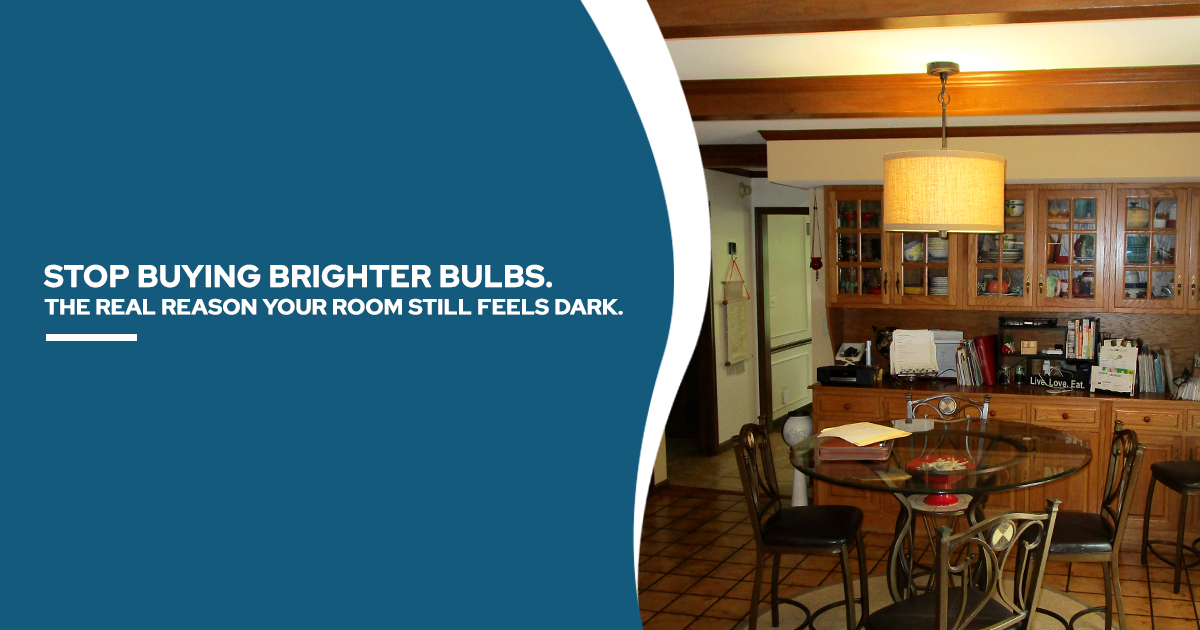
- John’s Open Kitchen Conversion. John’s kitchen was closed off from the living room by a load-bearing wall that made the main floor feel chopped up and dark. He wanted an open layout with a peninsula, better lighting, and modern finishes. Our team identified the structural requirements for removing the wall during the design phase, incorporated the needed beam into the budget from the start, and showed John a digital walkthrough where he spotted an opportunity for a floating plant shelf above the peninsula. That detail was added to the plan that same meeting. When construction finished, there were no change orders — because every decision had been made before demolition started.
What This Means for Your 2026 Project
The through-line across every trend in 2026 renovation is this: the quality of your outcome is determined far more by how the project is planned than by how much you spend.
Materials that last longer than trendy ones require choosing them early with the right knowledge. Flexible spaces that actually function require layout decisions made before walls go up. Energy upgrades that work require coordination between the design and mechanical trades. And the seamless, stress-reduced renovation experience that homeowners want requires a team where those conversations happen internally — not across separate vendors who’ve never met.
Before your next project begins, think through these questions honestly. What matters most to your family in this space — daily comfort, long-term durability, resale value, or flexibility for life changes ahead? What’s your realistic budget, and where do you want the investment concentrated? Have you found a team that handles both design and construction together, or are you planning to coordinate those separately?
If you want to explore what a renovation looks like when it’s planned this way, our new home construction and remodeling page shows the full scope of what Agape handles — from kitchen and bath remodels to complete custom home builds.
And if your home has been showing its age this winter — drafts, cold spots, outdated systems — our winter home maintenance checklist is a useful starting point for identifying what needs attention before a larger renovation begins.
Ready to Talk About Your Project?
Agape Construction has been serving St. Louis homeowners for over 40 years. We’re a full design-build team — designers, builders, and project managers working together under one roof — serving St. Louis City, St. Louis County, and surrounding areas in Missouri.
When you’re ready to talk through your project, we’ll start with a complimentary consultation. No pressure, no generic pitch — just a straightforward conversation about your goals, your space, and what a realistic plan looks like.
📞 Request your complimentary consultation at agapeconstruction.com