Design experts are spotting some clear ideas for homes in 2026 – and they’re all about comfort and personality. Think warm earthy color schemes, natural textures, and rooms that work a bit harder for you. As local interior design professionals, we’ve been watching these trends closely. Using strengths like flexible living spaces and nature-inspired details, we help homeowners create stylish rooms that genuinely feel like home.
Warm Earth Tones and Natural Colors
One of the biggest trends for 2026 is bringing warm, earthy colors into your home. Instead of stark whites or harsh modern tones, imagine walls in soft terracotta, muted olive, deep mustard, or gentle clay browns. These colors make a room feel cozy and inviting. For example, painting one accent wall in a brick-red or olive hue can anchor a living room and set a calm mood. Pair those colors with furniture in natural beiges or creams so the space still feels balanced.
- Try layering warm tones: a burnt orange throw pillow on a pale grey couch, or a moss-green rug under a light wood coffee table.
- Use natural fabrics in those colors – like linen curtains in a soft tan or cotton pillows in earthy rust.
- Even a few simple accessories, like a clay vase or woven baskets, can echo those warm tones without overwhelming the room.
The effect: your home will instantly feel more grounded and comforting. These warm neutrals create a backdrop that works with your personal style. They’re easy on the eyes and make your living room or bedroom feel like a relaxed retreat after a long day.
Natural Materials and Organic Textures
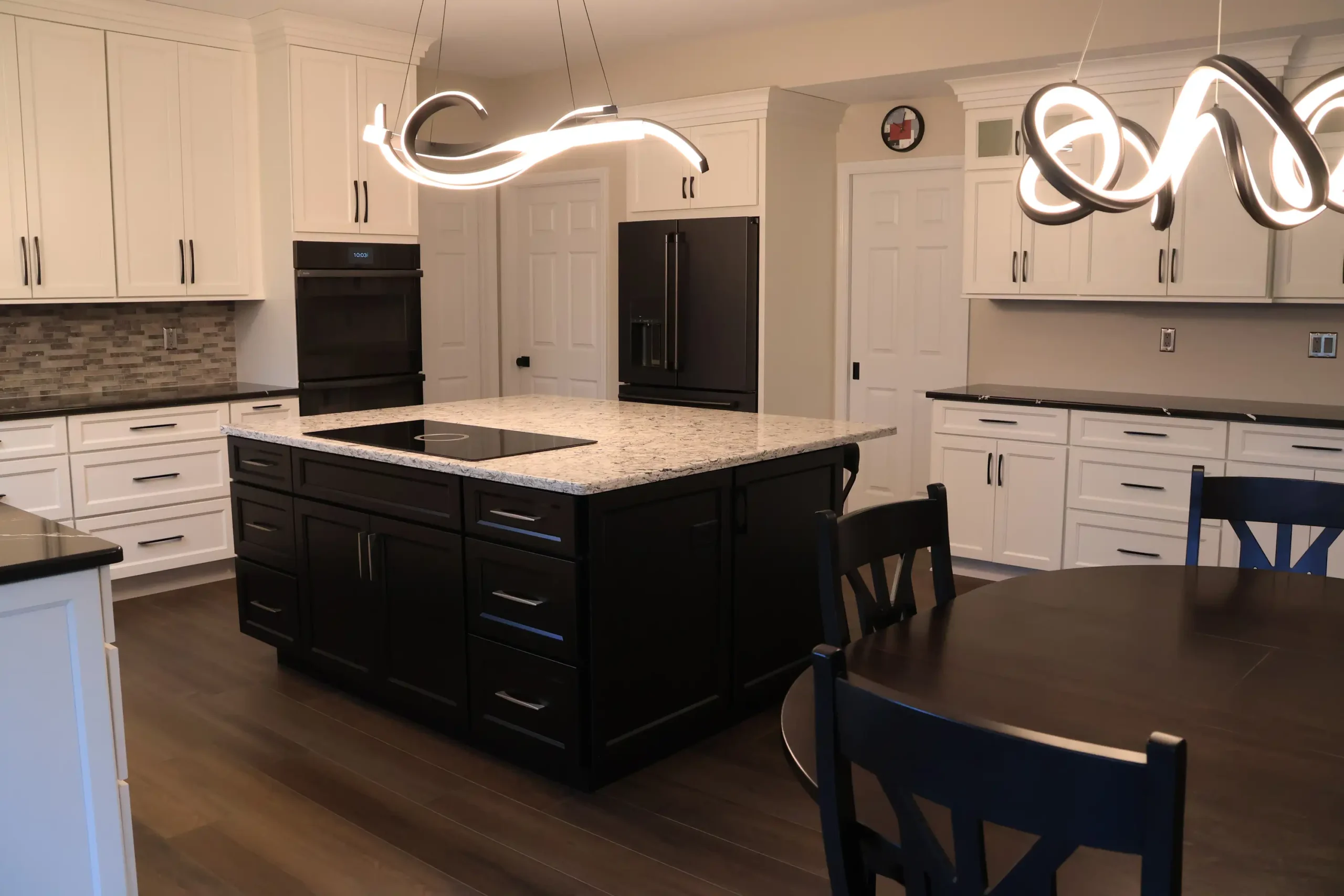
Along with warm colors, 2026 designs favor natural building blocks. Think real wood, stone, and organic fabrics instead of plastic or glossy surfaces. For example, a wooden dining table with visible grain, or a stone countertop with veins and minerals, adds texture and warmth. Swap out any plastic décor pieces for handcrafted wood, clay, or rattan items.
- Introduce wood and stone: A live-edge wood coffee table or a granite sink can become a focal point that feels both modern and warm.
- Layer in fabrics: Wool throw blankets, linen table runners, or jute rugs bring in more texture and softness underfoot.
- Go for handcrafted accents: A set of ceramic mugs, woven baskets, or a hand-thrown clay pot can tell a bit of a story in your space.
Natural materials also mix well with the warm colors above. For instance, olive-green walls and a walnut sideboard complement each other nicely. These materials tend to age well, too; a well-oiled wood tabletop or a stone countertop develops character over time. Practically, that means your investment could last longer than something ultra-trendy that wears out quickly.
Rich Textures and Patterns
In 2026 you’ll also see more layering of patterns and textures (but in a cozy, personal way). Instead of a completely minimalist look, rooms will often have one or two eye-catching elements. For example, a bold patterned rug under a pale-colored sofa, or a graphic tile backsplash in a muted color, can add personality. The key is balance: one or two statement pieces mixed with simpler basics.
- Mix patterns with solids: If you have a striped cushion or florals on the curtains, balance it with a solid-color sofa or plain walls.
- Combine rough and smooth: Pair a textured linen sofa with a smooth wooden side table, or a soft shag rug with a sleek metal lamp.
- Unique lighting: A sculptural floor lamp or a pendant light made from natural fibers can act like art and bring the “maximalist-lite” feel.
These touches make rooms feel lived-in and interesting. They show off what you like without feeling cluttered. For instance, hanging an oversized ceramic mirror or a woven tapestry can instantly lighten up a blank wall. The overall vibe is that each piece has a bit of craft and character, making your home feel as unique as you are.
Flexible, Purposeful Spaces
Another big idea is that rooms should work for you, not just look pretty. Many people design a living room or an office so it can serve multiple purposes. In 2026, expect to see spaces that flex to your needs. For example, a guest bedroom might also serve as a quiet home office, or a corner of your living room doubles as a reading nook. Furniture that adapts or serves more than one role will be popular.
- Multi-purpose furniture: Think of a sofa that opens into a guest bed, or shelves that also act as a room divider.
- Modular pieces: Try a dining table with leaves or extendable sections if you occasionally need more seating, but don’t want a huge table all the time.
- Built-in storage: Ottomans that flip open, beds with drawers, or window seats with hidden storage help a small space stay neat and functional.
Making a space purposeful also means paying attention to flow. For example, if you enjoy cooking and chatting, you might open up the kitchen to the living area (an island or breakfast bar makes sense). Or if you work from home, adding a daybed near natural light creates a spot for afternoon breaks. The trend is toward thoughtful layouts, so your home works hard for you: relaxing, entertaining, and meeting day-to-day needs. This can even help with your budget in the long run. When you invest in a versatile layout or get furniture that does double duty, you avoid buying more pieces later. In other words, you get more use out of each item instead of letting an area or piece of furniture sit unused. That’s efficient design in action.
Cozy Comfort and Personal Touches
More than ever, 2026 design is about feeling at ease in your home. That means plenty of comfortable seating, soft lighting, and personal items. Picture a plush armchair by the library with a good reading lamp, or a long dining bench you can all pile onto for movie nights. Here are a few ideas:
- Soft Furnishings: Cushions, throws, and area rugs in natural fabrics (like cotton, wool, or hemp) not only feel good but also deepen the color scheme. A neutral linen bedding set with textured pillows can turn a bedroom into a cozy sanctuary.
- Ambient Lighting: Layered lighting (table lamps, floor lamps, and dimmable ceiling lights) warms up the room far more than harsh overhead light. You might choose lampshades in natural fibers or warm-toned glass to match that earthy palette.
- Personal Decor: Finally, don’t forget what makes the space yours. Hang framed photos with wooden frames, display books and objects from your travels, or place a favorite painting on a warm-colored wall. These personal touches, when mixed with the trends above, ensure your home feels like, well, your home.
All these ideas combine to create spaces that look stylish but also really suit your lifestyle. You’ll end up with a home that’s modern (compared to old dark wood or bright Primary colors) but that still feels relaxed.
Frequently Asked Questions
- What color schemes will be popular in 2026?
Designers are pointing to warm, earthy neutrals. Think terracotta, olive green, mustard yellow, soft browns, and gentle beiges. These tones make rooms feel calming and inviting. You’ll often see them paired with natural whites or greys so the space doesn’t feel too dark. - How can I include natural elements in my home?
Try incorporating wood, stone, and organic fabrics into your design. A wooden dining table, stone countertop, or even bamboo blinds will add texture. Also consider natural textiles like linen curtains or a jute rug. Even a few indoor plants (in terracotta pots) can make the space feel more alive and grounded. - Can I mix old and new furniture with these trends?
Absolutely. Mixing vintage or used finds with modern items can make your home more personal. For example, a mid-century modern chair can sit next to a new sofa in a warm neutral tone. The key is color and material harmony. A modern piece in a natural wood finish will tie in well with older wooden or fabric pieces. - What if my space is small? Will these trends still work?
Yes. In fact, small spaces especially benefit from these ideas. Earthy colors and good lighting can make a small room feel snug rather than cramped. Choose furniture that’s the right scale (a live-edge wood table or a low-profile sofa, for example). Use mirrors or light curtains to keep the room bright. Functional furniture (like a fold-out desk or storage ottoman) helps you save space. Focus on one wall of warm color or one statement piece so the room doesn’t get visually busy. - Should I repaint or redecorate my whole house for these trends?
Not necessarily. You can start small. Maybe paint an accent wall in a new color, swap in a couple of new accessories, or bring in one natural material piece at a time. These trends are flexible. If you love a neutral palette already, try adding a warm pillow or plant. If you have bright colors, see if you can integrate just one or two earthy tones to balance them. The idea is to gently update your home so it feels more current without a full overhaul.
By paying attention to these ideas, you’ll be ready for 2026’s design style—but you’ll also make choices that last beyond next year. Each trend is about comfort and authenticity, so your home ends up feeling true to you. We hope these tips give you some inspiration. If you love these ideas or have questions about how to apply them in your own home, feel free to reach out or follow us for more design insights.