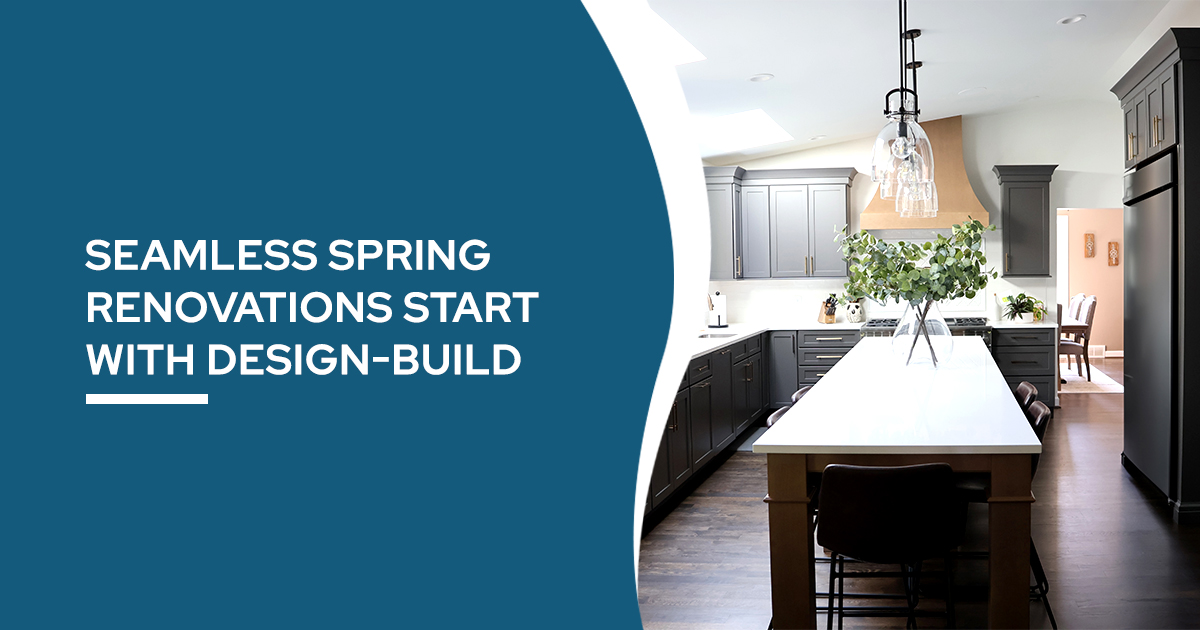
Design-Build: Debunking Myths and Highlighting Homeowner Benefits
When you’re planning a major renovation or building a new home, the big question is often how to manage the project. One method growing in popularity is design-build, where a single team handles both the design and the construction. This contrasts with the traditional approach of hiring an architect and builder separately. You may have heard mixed things about design-build. To help you decide what’s best for your project, let’s look at the reality behind common myths and the real benefits design-build can offer homeowners like you.
What Is Design-Build?
First, let’s clarify what “design-build” means. In a design-build project, one firm or team is responsible for both designing the plans and carrying out the construction. This means there is a single contract, one point of contact, and more direct communication between designers and builders throughout the project. By contrast, the traditional design–bid–build method involves two contracts: one with an architect or designer to create plans, and a second with a contractor to build according to those plans.
You don’t need to be an expert to see the difference. With design-build, the people drawing the house and the people building it are on the same team from the very beginning. That single-team approach affects things like schedule, cost, and how changes are handled along the way. It’s meant to make the whole process feel smoother, because everyone is working together under one roof, so to speak.
Clearing Up Common Myths
You may have heard some worries about design-build. “If the same company handles design and construction, won’t I give up control?” or “It must cost more because there’s less competition.” These concerns are common, but they are often based on misconceptions. Below are some myths and the reality you should know:
- Myth: You have to give up control. Reality: In many ways, design-build lets you stay closely involved. Because the design-builder wants the project to succeed, they usually encourage the owner to be part of the team. You can expect regular meetings and updates, and you’ll see how decisions are made (for example, how different choices affect the budget and timeline). Rather than giving up control, as a homeowner you often have more visibility into the process.
- Myth: It will cost more without competitive bids. Reality: In fact, design-build can often keep costs under better control. Early on, design-build teams usually share budgets and cost estimates openly with you. This means adjustments can be made in real time. For example, if a design feature ends up costing more than expected, you can decide to pick an alternative before finalizing plans. Also, because the design and construction teams work together, they catch potential problems early and avoid costly change orders later on. (Change orders – those unexpected revisions after building starts – are a leading cause of surprise expenses in traditional projects.) Many homeowners find that by avoiding these late changes, they save money in the long run.
- Myth: Risk to the homeowner is higher. Reality: Actually, risk often goes down because there’s a single point of responsibility. If an issue comes up – say there’s an unexpected structural challenge on site – you only have one team to talk to, not separate architect and contractor who might point fingers. This unified approach can make dispute resolution simpler and keep your project moving.
- Myth: You won’t know where your money is going. Reality: A good design-build team will be transparent about costs. Many design-build firms operate on an “open book” basis, meaning you can see the bids and purchase orders. This openness can actually put you in a stronger position to make decisions: if you decide to upgrade a material or add a feature, the team can immediately show you how it affects the budget. In many cases, the design-builder even shares in any cost savings they find, which can motivate them to spend your money wisely.
- Myth: All decisions are locked in at the start. Reality: Design-build is often more flexible, not less. Since the builders and designers collaborate from the beginning, they can more easily make real-time adjustments as new ideas or needs arise. For instance, if you decide mid-project that you want a slightly different layout or an extra window, the design-builder can usually accommodate that change faster because the design documents aren’t closed in stone yet. Changes can be discussed on the fly, and the team can show you the impact of each option on price and schedule right away.
By clearing up these myths, you can see that design-build is not about giving up control or flexibility. In many ways, it’s about giving you more control over the budget and timeline by having a responsive team on your side.
How Design-Build Benefits Homeowners
Knowing the reality, let’s focus on the benefits you can enjoy with design-build. Here are some key advantages:
- One Team, One Schedule: Because the designers and builders are the same team, project tasks can overlap more efficiently. For example, while some trades are on-site, designers can already be planning later stages. This often means the overall project goes faster. In practice, families building homes or remodeling have reported finishing sooner than expected, because the usual wait times between design phases and construction bids were eliminated. This is great if contracting delays and extended timelines would be a big hassle for you.
- Better Budget Control: You set a budget from the start, and the team works within it. If your dream kitchen design threatens to blow your budget, the design-builder will know it early and can suggest cost-effective alternatives. You can compare materials or layouts side-by-side with clear cost information. In some projects, homeowners have found that their final costs ended up very close to the original estimate, even after making some changes, because the team managed trade-offs early on instead of discovering expensive issues later.
- Fewer Surprises: When issues crop up – like hidden pipes behind walls or a tricky foundation condition – design-build teams can address them immediately without stopping work. Since the people who did the plan are right there on site, they can tweak the plan on the spot. For example, one homeowner doing a basement renovation discovered unforeseen electrical work. With design-build, they simply adjusted the plan that day. In a traditional project, that might have required pausing construction, calling an electrician for a new quote, and reworking the schedule. The seamless approach means less downtime and disruption for you.
- Easier Communication: You won’t need to explain the situation separately to an architect and a builder. There’s one go-to person (or team) who understands the whole project. This not only reduces misunderstandings, it also means your concerns are heard quicker. If you’re the homeowner who likes to stay informed, design-build typically involves regular check-ins. You’ll get progress updates and can give feedback as you go along, instead of waiting until later.
- Aligned Design and Construction Quality: Sometimes designs can be ambitious but hard to build. In design-build, the constructors get involved during design, so they make sure plans are realistic. This can lead to a final build that more closely matches what you imagined. For example, an architect might design a very open living space, and the construction side will ensure the structural supports needed are already figured in. The result? You get the big windows and open layout you want and the home stays sturdy.
Example: A Kitchen Remodel
Imagine the Jones family is updating their kitchen and decides on a design-build firm. They love a custom cabinet style they saw, but midway through design they realize it’s a lot more expensive than they thought. Because the contractor was part of the design meetings, he quickly suggests a near-identical cabinet from a different supplier that looks the same but costs less. The family makes the switch, and the project stays on budget with no delay. In another case, they decide to add an island after seeing the space, and the team immediately checks the plans and fits the change into the schedule. With one team, these decisions were easy and quick.
Example: Building a New Home
Take the Lopes who are building a new home. In the early construction phase, they discover a rocky patch that makes the foundation trickier. Since their architect and builder are under the same roof, the builder consults with the designer right away. They adjust the foundation plan on the spot, choosing a slightly deeper footing that handles the rock without extra cost. In a traditional setup, the contractor might have bid based on the original plan, found the rock later, and then demanded more money or time to fix it. Here, the design-builder’s quick adjustment kept the project moving smoothly.
In both these examples, the homeowner’s vision was preserved. The changes still delivered the result the owners wanted, while keeping the project on track and in line with what the owner planned to spend.
Is Design-Build Right for Your Project?
Choosing design-build isn’t about fitting a one-size-fits-all mold. It’s about what makes sense for your goals and preferences. Here are a few things to consider as you decide:
- Your Role: If you want to be hands-on, asking questions and making decisions with the team, design-build can be a great fit. You’ll usually be invited into the conversation as much as you’d like. If you’re looking for someone to just tell you how it goes and you won’t check much, design-build can still work, but make sure you pick a team that is comfortable with that style of client involvement.
- Budget Predictability: Do you need tight budget control? Design-build is often chosen by homeowners who have a set budget and want the team to manage it openly. That way, any adjustments needed for budget reasons happen up front.
- Time Sensitivity: If faster completion matters (say you have to move or your renovation schedule is tight), design-build can shave time off the project by overlapping tasks and cutting out the back-and-forth between separate firms.
- Project Size and Complexity: Design-build is used for projects of all sizes. Even smaller projects like a bathroom or garage can be design-built, as long as you find a team that handles that scale. Larger or more complex projects often benefit a lot from the seamless coordination design-build provides.
- Research Local Reputation: Not every company offers design-build, and quality can vary. Look for a team with experience and good communication. Industry organizations like the Design-Build Institute (DBIA) provide guidelines and examples, but talk to local references. Ask past clients how the design-build process went for them.
Ultimately, the goal is to meet your vision, budget, and schedule. Design-build is one way to do that by giving you a unified approach. For some homeowners, this method offers peace of mind that everyone’s on the same page. For others, having separate contracts might feel more straightforward. Consider how you make decisions and what’s most important for your project. Then discuss those points with your architect or builder to see which process aligns better.
Conclusion and Next Steps
Design-build isn’t just a trendy buzzword; it’s a legit approach that many homeowners find beneficial. If you’ve been wondering if it’s the right move, here’s the takeaway:
- You don’t lose control with design-build – you usually gain more insight and a real partner.
- It doesn’t always cost more; in fact, it can help keep costs in check and avoid the surprise overages that pop up when design and building are handled separately.
- Your timeline can actually shorten, because there’s no waiting between design and construction phases. Changes happen on the fly instead of causing big delays.
- You get one primary contact, so communication is simpler and you’re less likely to run into the blame game if something needs fixing.
The next step is to gather information. Talk to a trusted contractor or design-build firm about your project. Ask how they involve owners in the process, and how they handle budgets and changes. Explain your priorities – whether that’s cost, speed, or customization – and see what approach they recommend.
Whether you pick design-build or another method, what matters is that your project stays on track and ends up how you envisioned it. Follow us for more home-building insights and tips, or feel free to ask questions. We’re happy to help you understand your options and find the path that works best for your home project.