The Moment Everything Changed
There’s a house on a quiet street in Webster Groves that I keep thinking about. From the outside, it looks like dozens of other well-kept St. Louis homes — red brick, mature trees, a front porch that’s seen fifty winters. But step inside, and something shifts. The kitchen smells faintly of walnut wood. The living room has a worn leather chair tucked beside a fireplace that clearly gets used. There’s a handmade ceramic vase on the windowsill. Nothing is trying too hard. Everything feels deeply, unmistakably theirs.
That house isn’t designed. It’s lived in — and in 2026, that distinction is everything.
For the better part of a decade, home design chased a particular kind of perfection. White kitchens. Minimalist interiors. Spaces that looked flawless in photographs and felt slightly cold in real life. Homeowners poured money into finishes that belonged in a showroom, only to find they’d created a beautiful house that didn’t quite feel like home.
That era is over.
The defining shift of 2026 home design isn’t a color or a material. It’s a mindset — a quiet but confident move toward spaces that prioritize how you feel over how you photograph. Comfort, warmth, personal identity, and sensory richness are the new markers of luxury. And for St. Louis homeowners in Kirkwood, Chesterfield, Ladue, Webster Groves, and beyond, this shift opens up a genuinely exciting opportunity to invest in spaces that serve your actual life.
Warm Minimalism: Soft, Not Sterile
Let’s clear something up: minimalism isn’t dead. It’s just finally grown up.
The cold, clinical version — stark white walls, no-personality furniture, interiors that felt more like hotel lobbies than family homes — that version is fading. What’s replacing it is something designers are calling warm minimalism: spaces that keep the clarity and calm of minimalism but layer in natural materials, soft textures, and a sense that real humans live there.
Think creamy off-white walls instead of sterile white. Walnut cabinetry instead of glossy lacquer. A linen sofa that invites you to sit sideways with a book instead of one that politely asks you not to wrinkle it. According to Vogue’s 2026 interiors forecast, the most influential spaces of the year feel “collected, not installed” — built over time with pieces that have meaning, rather than assembled all at once from a single showroom.
For St. Louis homeowners, this is great news. It means the most current, sophisticated approach to design is also the most livable one. It means your grandmother’s side table can coexist beautifully with a modern kitchen renovation. It means your home can grow with you rather than age against you.
At Agape, this philosophy has always guided how we work. We don’t design homes that win awards on the internet but feel awkward to live in. We design homes that feel right the moment you walk through the door — and feel even better five years later.
Your Home as a Wellness Sanctuary
Here’s something worth sitting with: the average American spends roughly 90% of their time indoors. The spaces around us — the quality of light, the materials underfoot, the flow between rooms — shape mood, sleep, stress levels, and even how well we recover from a hard day.
Designers and researchers are increasingly aligned on this. A recent study from the Max Planck Institute for Human Development found measurably lower stress responses after time spent in nature compared to urban environments. The implication for home design is direct: bringing natural elements inside — wood grain, stone texture, plants, natural light — isn’t decorative. It’s genuinely restorative.
In 2026, wellness is no longer an extra room at the end of a wishlist. It’s a foundational design consideration that shapes every room in the house. Architects and designers across the country are reporting the same shift: clients aren’t just asking for homes that look good. They want homes that feel good — spaces that regulate the nervous system, support daily rituals, and offer a quiet refuge from the pace of modern life.
In practice, this shows up in ways that range from the simple to the transformational. It’s a bedroom with blackout linen curtains, warm-toned lighting, and no glaring overhead fixture — a room designed to help you actually sleep. It’s a primary bath with heated floors and a rainfall shower, because cold St. Louis mornings deserve a gentler start. It’s a living room with a gas fireplace as the natural focal point — not the television. It’s a lower level designed as a true gathering space, not just a storage overflow zone.
For those ready to invest at a higher level, 2026 is seeing remarkable interest in dedicated wellness features: steam showers, infrared sauna rooms, cold plunge installations, meditation corners designed with natural materials and intentional lighting. These are no longer novelties. They’re among the most sought-after additions in luxury home remodeling St. Louis projects this year.
Agape’s integrated design-build process — with architects, interior designers, and craftsmen working as one team — is uniquely positioned to bring these spaces to life thoughtfully. We don’t add wellness features as afterthoughts. We plan them into the architecture from the start.
Texture, Materiality, and the Things That Invite You to Touch
Close your eyes and imagine two kitchens. In the first, the counters are polished white quartz, the cabinets are high-gloss white, the fixtures are chrome. It’s clean. Technically flawless. Photographically perfect.
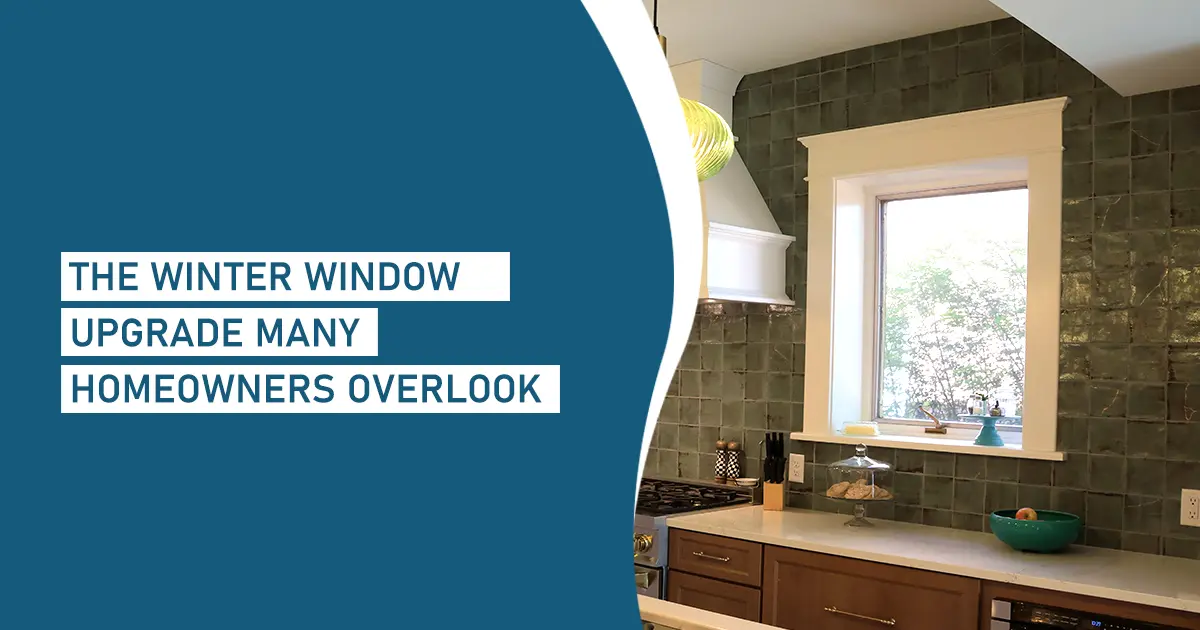
In the second, the counters are a honed natural stone with soft veining. The cabinets are white oak with a matte finish. The fixtures are brushed brass. There’s a handmade tile backsplash with slight variation in each piece.
Both kitchens cost approximately the same. But one invites you to run your hand across the counter. One makes you want to cook in it.
That’s the power of texture and materiality — and in 2026, it’s one of the most important design principles at work in high-end homes. Luxury is no longer defined by perfection and gloss. It’s defined by depth, warmth, and the sense that materials were chosen because they’ll age beautifully rather than because they were easy to photograph.
For St. Louis specifically, this approach has an extra layer of practical wisdom. Our climate is real — humid summers, cold winters, unpredictable storm seasons. Materials that hold up to four distinct seasons, age gracefully, and feel good through all of them aren’t just aesthetically desirable. They’re smart long-term investments.
Color Returns — But Not How You Remember It
The all-white everything era is over. Color is back in 2026, but it’s showing up in a far more sophisticated way than the bold accent walls of a decade ago.
The dominant palette leans into depth and atmosphere rather than brightness. Designers are highlighting nuanced blue-greens — tones that feel aged and mineral, like Patina Blue or softened slate. Deep greens and muted earth tones are becoming signature kitchen cabinet colors. Warm clay, putty, and soft brown are replacing the cool gray-beige that dominated luxury interiors for years.
These choices create spaces with emotional resonance, rooms that feel considered and personal rather than safe and generic.
Spaces That Flex With Your Life
One of the most practical shifts in 2026 home design is a new appreciation for flexibility — spaces that serve more than one purpose and adapt as your family changes.
Thoughtful design is creating intentional zones within open-plan spaces — a reading nook carved out of a living room corner, a library that doubles as a home office, a lower level designed to serve as a playroom now and a guest suite in five years.
The flexibility is in the planning — and that’s where experienced design-build firm St. Louis teams like Agape create the most value.
Personal Touches: The Real Definition of Luxury
Here’s what ties all of 2026’s design trends together: they’re all in service of the same thing. A home that feels like you.
Not a showroom. Not a Pinterest board. Not the house from the renovation TV show. Yours — with your family’s rhythms, your habits, your history, and your taste embedded into every decision.
The most desirable homes in 2026 aren’t perfect. They’re expressive, tactile, intimate, and deeply connected to the people who inhabit them.
What This Means for Your St. Louis Home
Greater St. Louis homeowners are in an unusually good position in 2026. The region’s housing stock — classic colonials in Webster Groves, mid-century ranches in Kirkwood, craftsman-style homes throughout Chesterfield and Ladue — is deeply compatible with warm, tactile, personal design.
Whether you’re considering a full kitchen remodel St. Louis, a primary suite transformation into a wellness retreat, or a lower-level redesign that turns unused space into the most loved room in the house — the trends of 2026 point in the same direction: invest in comfort, invest in quality, invest in spaces that feel genuinely yours.
Agape Construction Has Been Building That for 35 Years
Since 1985, Agape has been helping St. Louis families transform the homes they live in into the homes they love. We’re a design-build firm — architects, interior designers, craftsmen, and project managers working as one integrated team.
Explore some of our recent work:
- Kitchen Remodel Portfolio
- Bathroom Remodel Portfolio
- Basement & Lower Level Projects
- Full Home Remodeling Services
If something about this year’s design conversation is making you look around your home and imagine something different, we’d love to have that conversation with you.
Schedule your complimentary consultation today.
📞 (314) 909-9050
🌐 agapeconstruction.com